

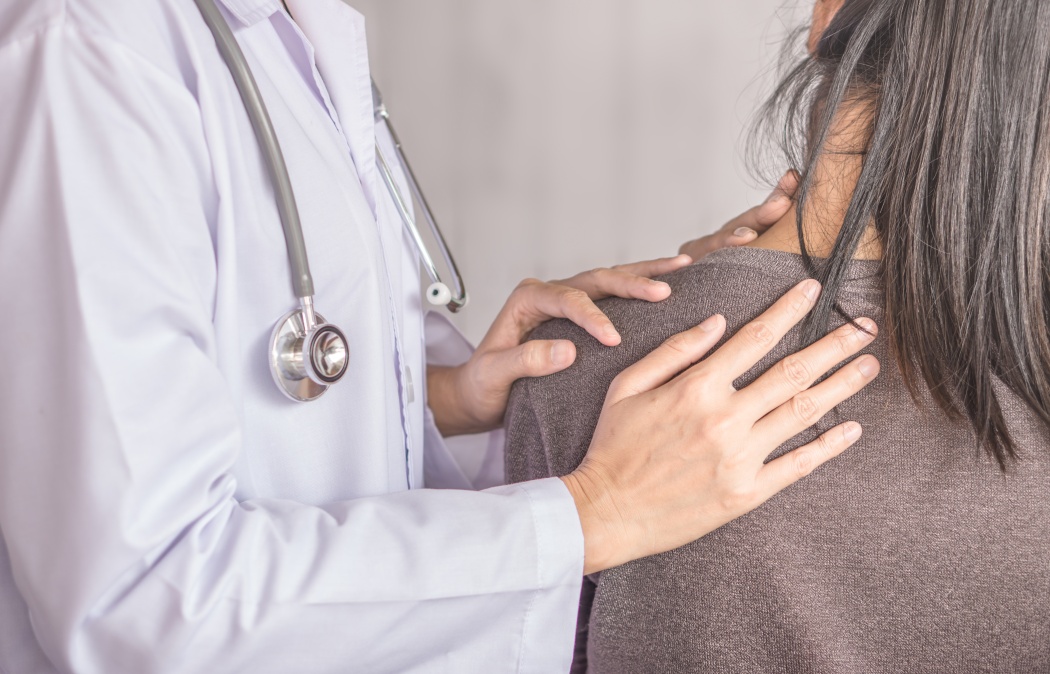
A shoulder dislocation is a painful and often debilitating injury that occurs when the upper arm bone (humerus) slips out of the shoulder socket (glenoid). It’s one of the most common joint dislocations, particularly among athletes and active individuals. Whether caused by a traumatic fall, sports injury, or accident, dislocated shoulders require prompt, precise care to restore stability and prevent long-term damage.
At the orthopedic surgery and sports medicine practice of Dr. Jonathan L. Glashow, we provide advanced, personalized treatment for shoulder dislocations—helping patients in New York City and Miami Beach recover faster and reduce the risk of re-injury.
Why Shoulder Dislocations Happen
The shoulder joint is the most mobile joint in the body—and that mobility comes at a cost. It’s also highly unstable, especially under stress. A dislocation can be anterior (forward), posterior (backward), or inferior (downward), with anterior being the most common.
Common causes include:
- Sports injuries (football, basketball, skiing, etc.)
- Falls onto an outstretched arm
- Sudden trauma (car accidents or impact injuries)
- Repetitive overuse in overhead activities (swimming, tennis, weightlifting)
Once the shoulder has dislocated, there is a higher risk of it happening again—especially in younger, active individuals. In fact, studies show that up to 90% of patients under 20 who suffer a traumatic dislocation may experience a recurrence without proper treatment.
Symptoms of a Dislocated Shoulder
- Intense pain at the shoulder joint
- Visible deformity or “out of place” appearance
- Swelling and bruising
- Limited range of motion
- Weakness or numbness in the arm or hand
If you suspect a dislocation, seek immediate medical attention. Improper handling can damage nerves, ligaments, and blood vessels.
Non-Surgical Treatments
Initial treatment often involves a closed reduction, where the joint is gently maneuvered back into place. Afterward, Dr. Glashow typically recommends:
- Immobilization using a sling to allow the joint to heal
- Anti-inflammatory medications for pain and swelling
- A structured physical therapy program to restore strength, stability, and range of motion
For first-time dislocations, especially in older or less active individuals, non-surgical treatment is often effective.
When Surgery Is Needed
Surgery may be necessary if:
- There are recurrent dislocations
- There’s a labral tear (Bankart lesion) or significant soft tissue damage
- The shoulder is unstable even after therapy
- Bone loss or fractures are involved
As a Board-Certified orthopedic surgeon and Clinical Associate Professor at NYU Grossman School of Medicine, Dr. Glashow specializes in shoulder and knee conditions. His minimally invasive arthroscopic techniques allow for faster recovery, less post-operative pain, and optimal joint preservation.
Surgical Options for Shoulder Dislocation
- Arthroscopic Labral Repair: Reattaches the torn labrum to stabilize the shoulder
- Latarjet Procedure: Transfers a piece of bone to the front of the shoulder socket for added support in cases of bone loss
- Capsular Shift: Tightens the loose joint capsule to reduce instability
Each surgical plan is fully tailored to the patient’s lifestyle, anatomy, and activity level—especially important for athletes and active adults.
Trusted, Personalized Care in NYC and Miami Beach
Dr. Jonathan Glashow is known not only for his technical expertise but also for his hands-on approach to patient care. You will be seen directly by Dr. Glashow at every visit—no assistants, no physician extenders—just world-class orthopedic care delivered personally.
Patients in Upper East Side NYC and Miami Beach trust Dr. Glashow for his honesty, surgical precision, and commitment to restoring function without unnecessary procedures.
Don’t Wait on Shoulder Pain
If you’ve experienced a shoulder dislocation or are dealing with recurring instability, early diagnosis and expert care are essential. Contact Dr. Jonathan L. Glashow’s office in New York City or Miami Beach to schedule a consultation and explore your best treatment options.
Let us help you regain strength, confidence, and control—without compromising your lifestyle.